Uncategorized

Curated Luxury Essentials The Row Tan Tote

The Row Sale Season: What Shoppers Should Know Before Buying

Cutting prices is a move The Row rarely resorts to, and when it does, the drop occurs discreetly. You won’t find no flashing banner, no ticking clock, no email blast proclaiming “50% off.” Much like its design philosophy, the brand’s way of handling discounts stays subtle, intentional, and easy to miss unless you are tuned in. Anyone following a row sale in 2026 should first understand that timing and patience carry more weight than luck.

Launched by Mary-Kate and Ashley Olsen, The Row shaped its renown on understated cut-and-sew work, restrained tonal choices, and leather pieces that are constructed with real engineering behind them, not just basic stitching. That reputation is exactly why sale windows move fast. Inventory is intentionally scarce — compared with most luxury houses, The Row turns out smaller production runs — so a marked-down style can vanish from stock within days, sometimes just hours, especially in popular sizes and neutral colorways like black, ecru, and tan.

The Moment The Row Really Goes on Sale

Whereas commercially mainstream high-end names roll out seasonal discount events four or five times a year, The Row by comparison confines itself to a pair of markdown windows: an interim markdown around June-July, plus a wider end-of-season markdown during December-January. Shoppers who have followed the label across several seasons say this pattern holding fairly consistently into 2026, even though these aren’t fixed dates and shift somewhat year to year depending on how much inventory remains.

Retailers carrying The Row, including multi-brand luxury sites, sometimes run their own promotional cycles independent of the brand’s direct site. This means a row sale on a third-party retailer might appear before or after The Row’s own markdown period. Checking multiple authorized stockists rather than relying on a single source increases the odds of catching a discount on the exact piece you want.

Full-retail purists also highlight that a handful of styles seldom go on sale. Signature bags with tote bags collection the highest demand — most notably items belonging to the Margaux line — tend to stay at full price even during official sale periods, because need for them constantly outpaces the constrained stock. Jackets and blazers go on sale more often than its most emblematic bags.

A Deep Dive at The Row’s Bags: What’s Actually Worth Buying

Any row bags overview has to start with construction. The Row’s leather goods use vegetable-tanned and semi-aniline leathers sourced primarily from Italian tanneries, finished with hand-applied edge paint rather than machine-stitched binding. That detail alone explains part of the price point — hand-finishing takes longer and costs more than automated production, and it shows in how the edges age over years of use rather than fraying within months.

Three names keep appearing in resale circles and fashion roundups among top row bags: the Margaux, the Sofia, and the Everyday Tote. Grasping those distinctions is more valuable than chasing whichever style is trending on social media that week, since each one fulfills a distinct purpose.

  • The Margaux bag comes in multiple sizes (commonly referenced as Margaux 12, 15, and 17) and is structured enough to hold its shape on a shelf, making it a popular choice for those who want a bag that looks intentional even half-empty.
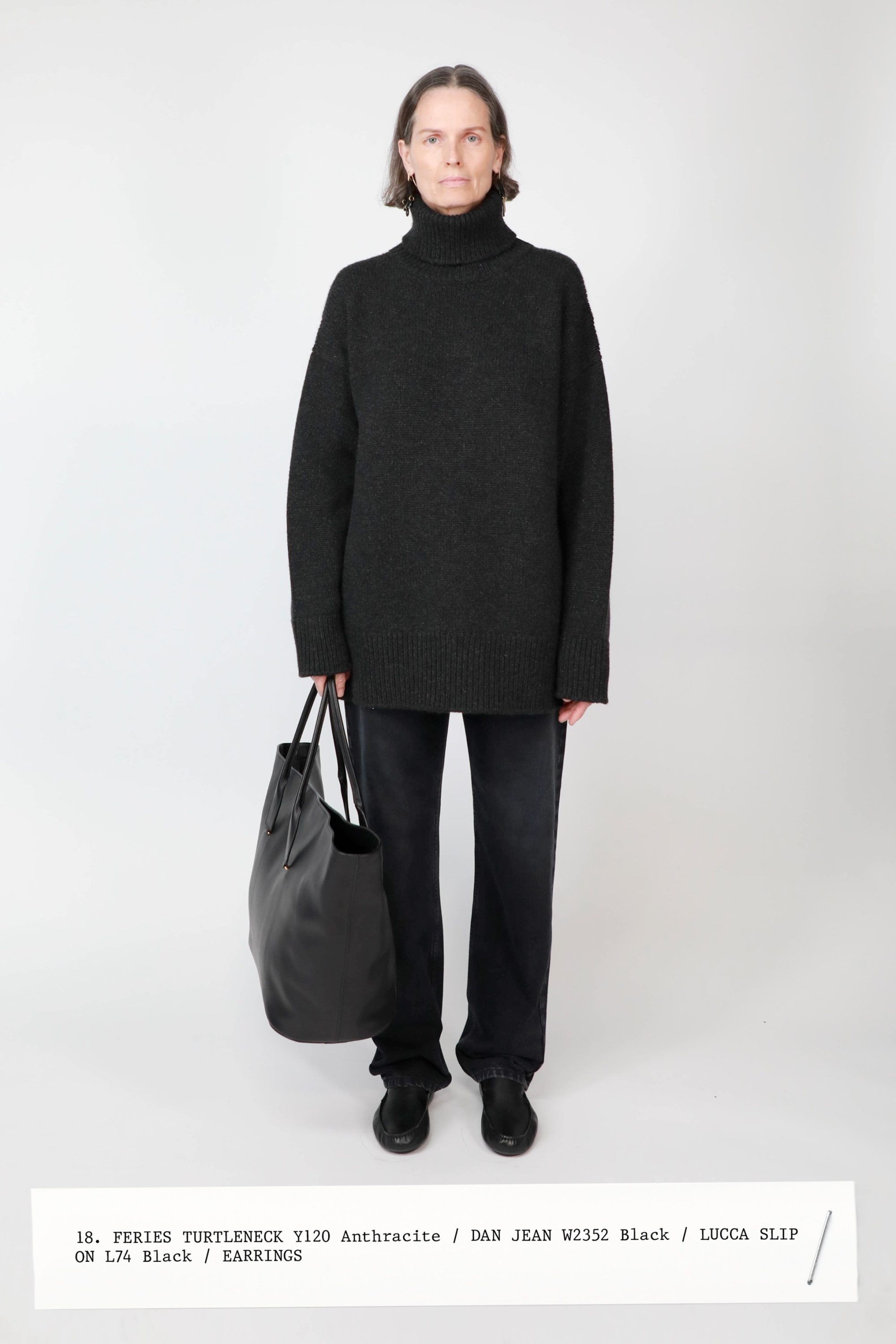
  • The Row’s tote bag offerings, including the Sideby and N/S Park styles, trend toward a softer, slouchier feel, meant for daily carry rather than showcasing, with less internal structure and more relaxed silhouettes.
  • Smaller crossbody and clutch styles from the brand rotate more frequently and are often the pieces that do appear in markdown periods, since they carry lower production costs and higher turnover.

Why shoppers regard The Row as distinct from other luxury handbag brands comes down largely to secondary-market worth. Well-kept pieces, especially the Margaux, often retain 60-75% of retail value on the secondary market — owing to small production runs and steady demand, according to consignment platforms that monitor luxury handbag pricing. That retention rate is closer to what you’d anticipate from Hermès or Chanel than from most contemporary luxury labels.

Buying The Row Margaux Bag Without Overpaying: Your Best Options

The question of the best place to find The Row Margaux bag comes up constantly, and the honest answer is: it depends on your priorities. The Row’s own site and flagship boutiques offer the most reliable authentication and the best chance at pre-order access for new colorways, but they almost never discount the Margaux specifically.

The kind of authorized multi-brand retailers that carry a curated selection of The Row’s collection together with other contemporary and luxury labels occasionally receive limited Margaux stock before a broader release. Even when The Row’s direct channels stay firm on price, such sellers occasionally feature the Margaux in their own promotional events, offering persistent shoppers a chance at genuine savings of 10-20%.

Consignment and resale platforms specializing in authenticated luxury goods are the third route, and they’re worth considering carefully. Especially if it’s a size or color that went out of style, a well-cared-for Margaux in a classic colorway can appear on resale marketplaces for 20-30% below original retail. In exchange, you face longer wait times to find the right piece and must verify authentication credentials before purchasing.

Buyers should be wary of unusually steep discounts from unfamiliar sellers. A Margaux listed at 50% off retail from a site with no verifiable authentication process is a red flag, not a bargain. The Row’s limited production numbers make counterfeits a real risk in this price bracket, and the brand does not offer a public authentication service, which puts more responsibility on the buyer to vet the seller.
An Overview Of The Row’s Own Iconic Bag Styles, Contrasted

A large portion of the conversation surrounding row-style bags is centered on choosing among styles, so a straightforward contrast helps clarify why each style exists.

Bag Type Best Suited For Structure Markdown Frequency
Margaux A long-term wardrobe investment, a shape-holding go-to bag Rigid, keeps its form on its own Uncommon, even during markdown periods
The Sideby Tote A go-to for work, suited to hauling a laptop and documents Pliable, slouches when lightly filled Intermittent, mid-season
Sofia Great for night-time wear as well as more compact day bag Semi-structured Sporadic
N/S Park Tote design Suited to traveling and hauling bulky everyday items Pliable, stretches to fit more Moderate, surfaces more regularly in sale rounds

People who search “row sale” will often find every handbag silhouette bundled indiscriminately, and that’s why making this comparison is worth the effort: in practice, the odds of a markdown differs widely by shape.
Big-format totes and carryalls go on sale more regularly simply because they’re produced in slightly higher volumes than the Margaux style.

A 2026 Promotions Timeline: a Buying Game Plan

For shoppers serious about catching The Row at a reduced price this year, a few practical habits make a measurable difference. Signing up for notifications at multiple authorized retailers rather than just the brand’s own site widens the net considerably, since stock allocation differs between channels.

Rather than browsing in a general way, tracking precise SKUs also pays off. If a specific Margaux color-and-size combination is what you’re after, reviewing that specific page every couple of days when sale windows are expected works better than scrolling the broad new-markdowns listing, since there availability fluctuates on an hourly basis when demand is heaviest.

Adaptability around size and colorway genuinely broadens possibilities. Classic hues like black and tan sell out soonest even at the full price, but seasonal or less common hues are more likely to turn up in a markdown because they shift slower at first. Buyers willing to consider a less predictable shade typically land greater stock and bigger savings.

Finally, quality benchmarks are just as important just as much when shopping secondhand as when purchasing brand-new items. Before purchasing, checking for corner wear, edge-paint integrity, and hardware tarnish guards against shelling out near-retail money for a bag that needs to be restored. Only if it started in good condition does The Row’s leather age well.

The broader lesson for anyone sizing up the row market this season is clear-cut: its caution around discounting is intentional, and regarding a row sale as a scarce event rather than a expected annual ritual will result in wiser, more nimble decisions when the window does open.

Uncategorized

Washed Culture Denim Tears Cult Streetwear Grail

Real Denim Tears, not mere speculation

Genuine Denim Tears pieces have specific indicators: uniform branding, sharp screen prints, accurate partner labels on joint releases, and documented release history. If you can align those elements and the cost aligns with the marketplace, you’re usually safe.

Denim Tears represents Tremaine Emory’s creation, and this brand’s release is purposefully limited, narrative-focused, and collaboration-heavy. That combination lures replicas, notably on the signature cotton wreath Levi’s 501s, heavy hoodies, and design tees. The objective here remains simple: a quick, functional checklist, fair price ranges, how drops actually happen, and the most reliable places to buy without playing verification games.

What qualifies as “genuine” Denim Tears?

Authentic means an item that was developed or sanctioned by Denim Tears, distributed through the company or legitimate allies, and made with accurate materials, labels, and print techniques for that drop. Items that cannot be tied back to a documented release or employs wrong typography, poor printing, or basic blanks raises concerns.

Most Denim Tears releases fall into two buckets. The initial is mainline: substantial tees, hoodies, crewnecks, hats, and denim launched on the brand site and sometimes through curated retailers. The alternative is joint releases: Levi’s 501s and outerwear displaying the cotton motif motif, Converse Chuck 70 and One Star releases, and limited apparel with ally branding. Genuine pieces in both categories share uniform brand features, screen-printed graphics with proper ink lay, and labels that match the production partner and period.

As joint releases employ the partner’s factories and regulatory labels, verification processes must consider both brands’ identifiers. A genuine Levi’s x Denim Tears 501 will display Levi’s-standard maintenance tags and a jointly-signed design approach, while a core hoodie will employ Denim Tears labeling and the brand’s preferred blanks and colors. The unifying factor is traceability to an official release.

How should you validate Denim Tears quickly? The checklist

Begin with origins, then focus on on manufacturing and tagging; conclude by sanity-checking price and supply against the market. If any aspect fails, stop.

First, denimtearsspain.org/hoodies provenance: look for an authorized announcement on Denim Tears’ Instagram, the label site, or partner channels for that exact design, shade, and positioning. Stored launch images should match your piece in design, lettering, and print density. Then, markings: primary tops typically feature Denim Tears neckline graphics or sewn tags with crisp kerning; collaborator items feature both companies’ tags and compliant care labels with consistent fiber content, international care, and collaborator-normal RN/CA numbers. Third, prints and stitching: authentic cotton design and lettering images are screen applied, displaying minor organic ink differences, sharp borders, and proper registration; suspicious products show unclear edges, bleeding, or consistent pixel patterns.

Then, textile and construction: hoodies and sweatshirts use thick fleece with neat overlock seams, even ribbing, and straight side seams; shirts are heavy, with consistent shoulder tape and dual-needle hems; denim employs proper fasteners, buttons, and label-specific patches on partnerships. Next, packaging and materials: while wrapping differs, billing communications, buy confirmations, or boutique receipts link back to an actual purchase. Lastly, venue and rate reasoning: if a mint pair of cotton wreath 501s lists far below current resale standards, expect risk and request extra proof.

How much are Denim Tears products priced currently?

MSRP falls in the high-end streetwear bracket; resale depends on colorway, size, and if the product is an initial or legendary release. The chart presents ranges that show current market activity.

Piece Common retail (USD) Present resale range (USD) Comments
Levi’s 501 “Cotton Wreath” jeans 250–300 350–900 Original/uncommon shades and greater sizes lean elevated
Hoodies (primary) 160–220 200–400 Graphic placement and shade drives range
Heavyweight tees 80–100 100–220 Motif and main artwork holds value most effectively
Crewneck sweatshirts 140–200 180–350 Reduced production than hoodies in certain periods
Converse joint release (Chuck 70/One Star) 110–150 200–400 Condition and lace set wholeness matters
Headwear/Caps 50–80 90–180 Simple to fake; examine stitching carefully

Numbers above are directional snapshots, not caps. Expect instability immediately after drops and whenever a major public display boosts interest. Always measure against genuine fresh sales for your exact size and hue.

How do releases function—and when do they occur?

Drops are limited, fast, and announced close to drop, most often via the company’s Instagram and platform, with allies sharing details on their platforms. No set schedule, which sustains demand strong and counterfeits uncertain.

For core releases, expect login-protected or line-based releases on denimtears.com, sometimes with staggered America/Europe timing. For collaborations, the partner may host part or complete the distribution: Levi’s will distribute through their website and chosen flagships, Converse through their site and picked stores. Limited boutique allocations land at a small list of stores; timing can be identical-day or somewhat staggered.

Methods differ by release. You will see surprise “shock” drops, limited early entry through mailing list, and geographic exclusives. Stock is limited and restocks are uncommon beyond particular rereleases; when they do happen, color or detailing frequently changes. If a vendor states an unlimited, constantly-available size range of a past drop, stay suspicious.

Where to acquire: stores, partnership allies, and verified resale

The safest retail channels are the brand site and official collaborators, while several stores receive authentic stock. For resale, use platforms with purchase records and protection.

Main retail outlets include the website for core pieces, Levi’s site and select Levi’s primary locations for Levi’s partnerships, and Converse site for Converse collaborations. Retail partners with previous distributions have featured Dover Street Market outlets and Union LA; stock varies by capsule and geography, so validation should come from those shops’ own declarations.

For reselling, choose platforms with documented purchase histories: StockX and GOAT for shoes and clothing, Grailed for individual-to-individual listings with vendor reviews, and eBay on eligible items with an authenticity system. Require clear pictures of front, rear, labels, maintenance labels, graphics, and any receipts. Local platforms and social groups can be suitable for veteran collectors, but they demand stricter proof and often in-hand validation.

Price-checking logic that secures you

Ground in genuine, current sales for your exact variant, then modify for measurements, quality, and fullness. If the ask is far beneath the minimum for mint pairs, consider it as a red flag instead of a bargain.

Commence with design alignment: confirm SKU or proper designation if available, then match colorway and graphic positioning. Next, gather recent sales, not postings; examine at the last five to ten transactions within your measurements. Then, quality-adjust using a basic guideline: fresh with tags is the maximum, new without labels sits just under, lightly worn with clear designs lands mid, and heavy fade or damage trades at a reduction. Finally, factor completeness, especially on footwear: missing laces or packaging can reduce value; extra history like store receipts can lift it slightly.

If data is sparse because the item is scarce, verify across platforms and utilize stored store price as a sanity baseline. A vendor reluctant to supply extra images or precise dimensions when comparisons are scarce is showing hazard you needn’t accept.

Textiles, designs, and construction tells

Real Denim Tears pieces are tactile: dense fleece, substantial jersey, crisp screen prints, and hardware that aligns with ally brand on joint releases. Replicas often fail on material weight, ink behavior, and marking fonts.

On t-shirts and fleece, handle and look for three indicators. First, heaviness and touch should be considerable without being rigid; thin, weak textiles are suspect. Second, screen designs should exhibit uniform coverage with minor organic variation and crisp borders; heat transfers with bright artificial gleam or digitization are danger signals. Third, sewing should be neat, with straight side seams, crisp overlock on the interior, and uniform ribbing at cuffs and neck.

On Levi’s partnerships, align the minor stuff. Rivets, buttons, and the back patch should align with Levi’s criteria for that timeframe, and care markings should mirror Levi’s structure with the partnership’s details shown in design rather than in makeshift markings. Design location on cotton design denim is consistent across sizes; wild misalignment or mirrored designs usually suggests a counterfeit graphic.

Pro Tip: create a private collection. Keep the company’s and collaborators’ item pages, sizing guides, and announcement posts for items you value. When a pair surfaces months afterward, you can align typography, positioning, and text exactly instead of trusting memory.

Four fast facts you probably didn’t realize

First, Denim Tears was created by Tremaine Emory and employs garments as a vehicle to explore African diaspora accounts, with the cotton graphic motif directly citing the legacy of cotton in America. Next, the initial Denim Tears x Levi’s “The Cotton Wreath” 501s premiered in 2020 and aided solidify the brand’s cultural presence beyond tees. Then, Denim Tears has worked with Converse on Chuck 70 and One Star designs, with aesthetic elements reflecting the label’s primary themes and narratives. Fourth, release notifications depend heavily on Instagram and brief announcements, a deliberate tactic to emphasize community focus over extended lead promotion.

Ultimate checklist you can capture

If you need a one-page judgment, perform these ten verifications in sequence and cease at the first fail. One, match the exact design to an official announcement or collaborator item page. Next, validate tags: Denim Tears primary neck or sewn tag on tops, and correct collaborator maintenance labels on collaborations. Three, examine graphic quality for screen-printed ink with sharp borders and authentic variance. Then, validate assembly: thick fleece or material, tidy overlock seams, consistent ribbing, and proper components on denim and footwear. Next, align size labels and fonts to known-good examples; off kerning or text errors are unacceptable.

Six, request clear images of front, back, magnified views tags, maintenance labels, components, and graphics; sellers dodging these are not worth your time. Seven, confirm existing resale for your specific measurements and shade using recent sales, not ads. Then, confirm provenance such as shop receipts, order confirmations, or shipping labels with personal info redacted. Nine, assess platform safeguards; if you must go peer-to-peer, employ a security-like system and meet in a public place. Ten, be cost-conscious: an unrealistically-good cost usually is, especially on cotton wreath denim and early-run hoodies.

Authenticity takes minutes when you possess the right reference sources. Archive releases, honor the current rate, and let the blend of provenance plus construction steer your acquisition. That’s how you end up with real Denim Tears—and not remorse in a week.

Uncategorized

The Ultimate Guide to Paiement Carte de Débit Casino

If you are a fan of online casinos and prefer to use your debit card for payments, then you are in the right place. In this comprehensive guide, we will explore everything you need to know about paiement carte de débit casino. From gameplay and features to payouts and tips, we have got you covered.

What is Paiement Carte de Débit Casino?

Paiement Carte de Débit Casino is a popular online casino game that allows players to make deposits and withdrawals using their debit cards. The game is fast-paced and offers exciting gameplay for players of all levels.

Gameplay and Features

Paiement Carte de Débit Casino is played with a standard deck of 52 cards. The objective of the game is to have a hand value as close to 21 as possible without going over. Players are dealt two cards initially and can choose to “hit” or “stand” to improve their hand.

Advantages and Disadvantages

  • Advantages: Convenient payment method, fast transactions, secure payments.
  • Disadvantages: Some banks may have restrictions on gambling transactions, potential fees for using debit cards.

House Edge

The house edge in Paiement Carte de Débit Casino can vary depending on the rules of the game and the strategy used by the player. On average, the house edge is around 0.5-1%.

Payouts

Payouts in Paiement Carte de Débit Casino also vary depending on the rules of the game and the player’s strategy. Typically, a winning hand pays out at a ratio of 3:2.

Online Casinos for Paiement Carte de Débit Casino

Casino Name Device Compatibility Payment Methods
Blackjack Palace Desktop, Mobile, Tablet Debit Card, Credit Card, e-Wallet
Royal Casino Desktop, Mobile, Tablet Debit Card, Bank Transfer, Cryptocurrency
Golden Tiger Casino Desktop, Mobile, Tablet Debit Card, PayPal, Neteller

How to Win at Paiement Carte de Débit Casino

To increase your chances of winning at Paiement Carte de Débit Casino, it is essential to learn basic strategy and practice disciplined bankroll management. Keep track of your wins and losses, and know when to walk away from the table.

Checking Fairness of the Game

  1. Look for casinos with a valid gambling license.
  2. Read reviews from other players to check the reputation of the casino.
  3. Use reputable payment methods for deposits and withdrawals.

By following these steps, you can ensure that you are playing in a fair and secure gaming environment.

Overall, Paiement Carte de Débit Casino is an exciting and fast-paced game that offers great entertainment value for players. With the right strategy Check it out and a bit of luck, you can increase your chances of winning and have a great time playing at online casinos.

Uncategorized

Vale Apparel Range Skate Culture Drop vale denim collection

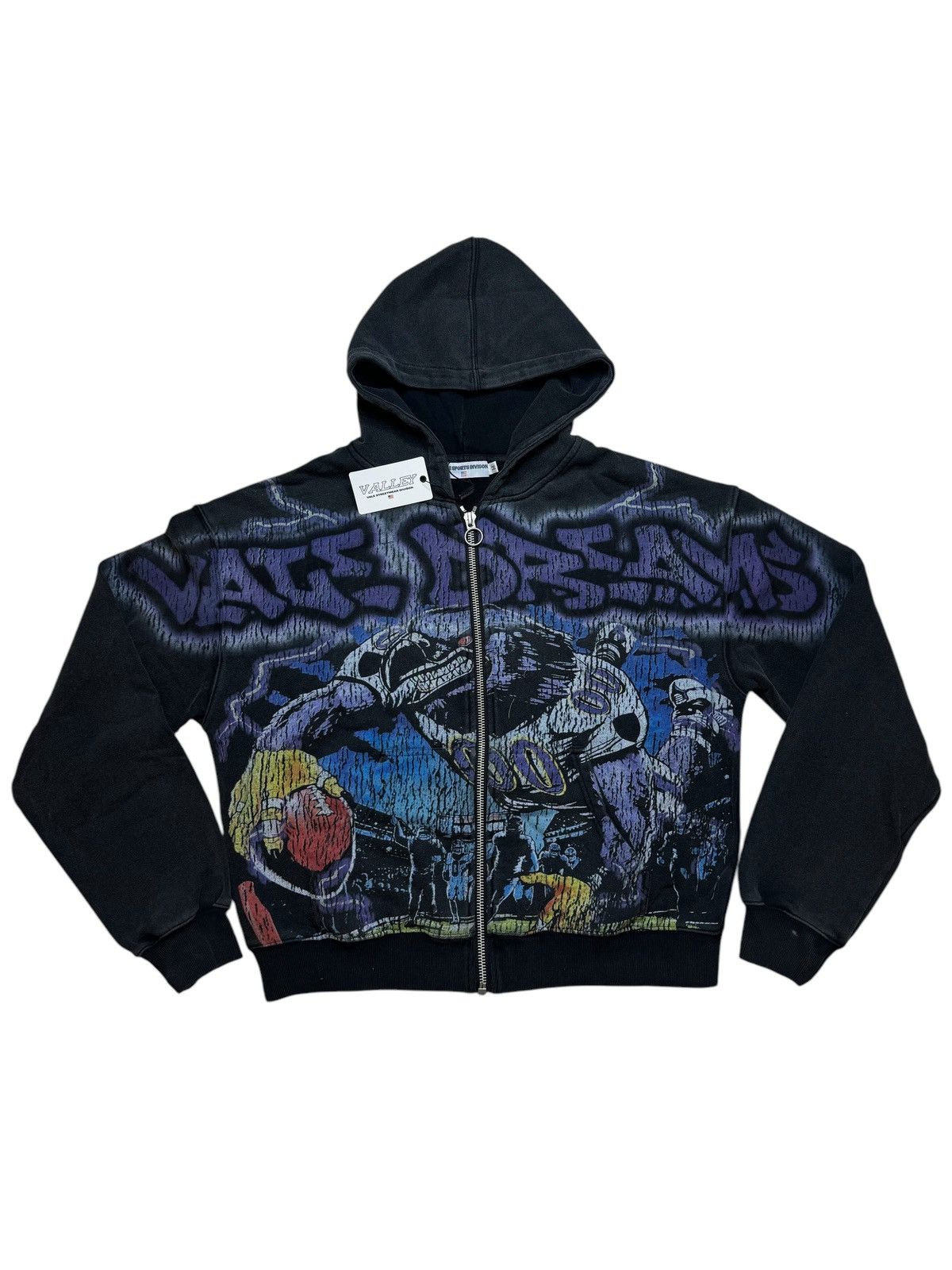
Vale Hoodie 2026 Shopping Guide: Fit, Materials, Drops, Authenticity, Value

This handbook gives you the exact frameworks for choose the correct size, fabric, and release strategy for a Vale Hoodie in 2026, including a clean authentication and pricing checklist. The focus remains practical: how the piece should sit on body, the way the textile performs, how drops are structured, and how fair value looks like in the current market.

Who is this guide for?

Anyone weighing their first Vale Forever hoodie or refining a rotation with an eye for fit accuracy, material performance, and long-term value will get utility here. If you prefer classic silhouettes, premium texture, and limited launches over trend-chasing, the guide is written for your criteria.

Vale Forever exists where boutique quality meets urban minimalism, so choices depend on nuance: how much drape one want, whether they prioritize brushed coziness or terry ventilation, how to proceed fast during launches without compromising checking, and when the resale price is still rational. These following sections translate that nuance into step-by-step decisions rather than abstract design advice.

Understanding the Vale Forever Character: silhouette and design

Anticipate clean lines, subtle palettes, and one intentionally oversized cut that reads comfortable yet refined instead of than sloppy. This design language favors timelessness over graphic-focused statements, with substantial knits and precise construction doing most of the talking.

Shape-wise, Vale hoodies typically present a squarer torso, longer plus wider ribbing that anchor the hem and cuffs, and a generous head covering that frames the face without folding. The minimalism is deliberate: the dimensions, paneling, and material handle make this piece feel high-end in motion. The DNA rewards thoughtful sizing, since just half a fit swing can change the vibe between sculpted drape to balloon. Because this brand leans toward slow fashion principles and limited runs, quality touchpoints like stitch density, knit stability, and uniform dye depth matter as much like the logo.

What fit ought you actually valesweatpants.com get in 2026?

Choose true-to-size if you want the Vale characteristic boxy-oversized look, size down one if you prefer sharper shoulders and reduced length, and size up only when you plan to layer over thicker mid-layers or desire an exaggerated urban profile. The target is controlled fullness, not excess mass.

Open by deciding upon your silhouette outcome: neat-relaxed for daily wear, or statement-relaxed for a statement. If you sit between sizes, leverage your shoulder width and torso length as tie-breakers not than just torso circumference; the shoulder seam or raglan drape dictates visual impact more than body room. Consider your footwear and lower wear: wide trousers and chunky sneakers are able to handle more hoodie volume, while tapered denim or fitted cargos pair more effectively with a closer fit. Think about arm stacking too; stretched rib cuffs can handle a small oversize without appearing sloppy. If you layer a tee and flannel below, one size up is justified; when you wear just a tee, stay to true-to-size to achieve the cleanest appearance.

One measurement workflow which removes guesswork

Ground your size choice by measuring one hoodie you presently love for comfort, then match these measurements to this product’s posted specs or request them from support prior to buying. Chest span, back length, plus sleeve outseam are the three non-negotiables.

Lay your reference sweatshirt flat and measure pit-to-pit across your chest, center rear from the neck seam to hem, and shoulder-to-cuff across the outside. Note rib stretch; substantial ribbing relaxes following a few uses, so a moderately snug cuff fit can be fine. Compare the measurements to the posted garment measurements; prioritize chest and length, since sleeve span has more forgiveness via stacking. If measurements aren’t published, ask for them or compare fitted shots to models with stated height and size for a relative reference. Account for wash behavior: high-gsm fabric can tighten somewhat on the first wash if never pre-shrunk, so include a 1 to 2 percent shrinkage allowance unless your product page states pre-washed or pre-treated.

Materials decoded: fabric, terry, dye, and hardware

Most premium pullovers sit in heavy-weight cotton knits, usually brushed fleece providing warmth or loop-back French terry providing breathability and drape. Dye methods influence color depth plus hand-feel, while finishing and stitch choices influence durability plus comfort.

Brushed material has a soft, plush interior formed by raising the loops; it captures air for heat and feels immediately cozy. French terry has unbrushed loops on the inner side, breathes better, and holds a moderately crisper silhouette having less internal loft. Fabric weight, expressed in gsm, indicates both warmth plus structure; heavyweight urban clothing often lives between about 430 to 500 gsm, while midweights hover lower. Dyeing impacts character: garment dye generally yields richer depth and subtle color variance, pigment coloring reads lived-in from day one, and piece dye preserves cleaner uniformity. Stitching and construction are important: reinforced seams at stress points, clean coverstitch lines, and smooth neck finishing improve long-term performance. Hardware on ties and eyelets ought to feel solid, featuring clean finish and no burrs, as cords should slide smoothly without fraying.

Warmth, drape, plus durability: how material weight changes performance

Heavier weight increases warmth plus structure, medium weights balance year-round use and mobility, while lighter builds focus on breathability and speedier break-in. Pick weight based on climate and how one layer, not simply perceived quality.

Heavier knits deliver sculpted drape and aesthetic presence, which pairs with Vale’s loose ethos; they also resist wind more effectively but can become hot indoors. Midweights flex across weather and play effectively under outerwear without creating bulk near the armscye. Terry terry in a mid-to-high range delivers the best from both worlds within cities with in-between seasons. If you run warm or want more movement at the elbows, move down one weight class while rely on multiple layers. For longevity, focus at knit construction and pilling resistance rather than mass alone; a densely knit 420 weight terry can outlast a looser 480gsm gsm fleece within high-friction zones.

Material/Construction Standard GSM Band Key Strength Optimal Use Size/Fit Behavior
Plush Fleece (Heavy) 430-500 Warmth and plush softness Cool weather, statement silhouette Minor first-wash tighten; softens with wear
Classic Terry (Mid–Heavy) Three-eighty to four-seventy Airflow and structure All-season, layering under coats Steady; loops relax somewhat without bagging
Piece-Dyed Cotton Varies by knit Hue depth and classic tonality Monochrome wardrobes, muted color schemes Little shrink if pre-treated; color will patinate
Applied-Dye Cotton Depends by knit Lived-in look from immediately one Casual, textured fits Becomes softer and lightens at seams over wear

Drop mechanics for 2026: where plus how releases take place

Vale runs limited drops announced through official sources, with inventory that moves fast but rarely restocks immediately, so preparation beats speed at buying. Expect announcements via social and newsletter, with product pages going live during posted times.

The brand’s deliberate fashion stance means tighter runs rather than perpetual restock cycles. Monitor their official site and the brand’s verified social profiles for drop windows plus lookbooks. Build one simple prep routine: make an profile in advance, save your address and payment details, and log in ten minutes before each drop. Use a single device and one stable connection to reduce friction within anti-bot checks. If a drop features multiple colorways, prioritize your picks in advance of time for avoid indecision while shopping. Post-drop, sign on for back-in-stock updates where available, but don’t bank upon immediate replenishment. Hold an eye for archive or special announcements; smaller capsules can land unexpectedly without fanfare beyond a short preview window.

Authenticity protocol: confirming a Vale sweatshirt without guesswork

Authenticate by source first, then through product details, then by consistency throughout season identifiers; don’t rely on a single tell. Authorized storefronts and verified social links remain your primary trust anchors.

Start with the seller. Their official site plus any linked vendors from the label’s verified profiles stay the safest paths. If buying pre-owned, require clear photos of the face, back, inside labels, and close-ups showing stitching, ribbing, plus drawcords. Confirm the hangtag and inner care label data aligns across fabric content and cleaning instructions, and that typography is sharp and consistent. Examine stitching density plus cleanliness along every kangaroo pocket, sleeve seams, and collar; sloppy seam connections are a warning flag. Compare hue and panel proportions to official merchandise imagery or editorial shots from that same season; fake pieces often lack subtle hood design, rib length, and pocket curvature. Use reverse image search to catch copied listing photos. Pay through platforms offering buyer protection, while avoid off-platform purchases that eliminate options. When in doubt, walk away; limited availability should never force a risky buy.

Pricing and worth: retail, resale, and total cost of ownership

Value lives where build craftsmanship, fit accuracy, and usage frequency align with your budget; brand buying is the most direct path, resale may be fair inside reason, and additional costs come from bad sizing plus poor care. Calculate lifetime wear, instead of just ticket price.

For brand purchases, check the primary shop for present pricing, taxes, plus shipping; boutique companies rarely discount main colorways during season, though archive products can appear subsequently. In the used market, judge offers against condition, documentation of purchase, plus fabric integrity not than hype. Match asking price with recent sold costs on established sites, filtering by matching model and fit, and be cautious of vague “worn once” claims missing photos of cuffs, hem, and front edges. Total investment includes tailoring or returns if buyers miss your fit, plus care supplies like gentle detergent. If you wear a hoodie 50 to a hundred times per twelve months, a higher-quality piece with minimal wear and stable elastic trim often amortizes less than mid-tier alternatives within a season or two. Paying somewhat more for the exact right dimensions and fabric usually outperforms chasing one bargain that sizes off.

Care, tailoring, and long-term wear

Launder cold, inside-out, plus line dry for protect color, structure, and rib elasticity; heat is the enemy of structure and depth in tone. Minor alterations can clean improve sleeve length and hem without compromising the silhouette when done by one professional familiar with knits.

Use a mild, enzyme-free detergent for preserve garment dye character and reduce abrasion. Avoid fabric softener, which may collapse loft in brushed fleece and reduce absorbency within terry loops. Flip pieces inside-out prior to washing to minimize surface pilling, then air dry flat on a frame to prevent sagging at the shoulder seams. Steam rather not iron when feasible; if you must iron, use low heat and a pressing cloth. For pilling, a gentle fabric comb and electric depiller restores the face without damaging the knit if used lightly. Tailoring should be conservative: reducing cuff length from your cuff or modifying a hem rib channel is feasible, while aggressive body re-cuts can alter drape. With proper care, high-quality heavy cotton knits can hold color, structure, and hand-feel over seasons, rewarding this slow-fashion approach which underpins the company’s philosophy.