Uncategorized

Tory Burch Modern Style Tory Burch Clutch

Tory Burch Measured Against Other Contemporary Names: How Does It Compare

Sitting between fast fashion and true luxury, the contemporary tier creates exactly the kind of gap that leaves buyers unsure of worth. For nearly two decades, Tory Burch has built a distinct identity within that space: a mix of preppy and bohemian, visibly logoed yet not logo-heavy, and structured price-wise to favor those who wait for sales. This piece dissects how the brand measures up against its closest rivals in the areas buyers genuinely weigh — footwear, tops, outerwear, and resale worth. We’ll also examine how Tory Burch reviews stack up next to reviews of similar names, as the gap typically stems from durability more than styling.

Positioning Tory Burch Within the Contemporary Field

The contemporary fashion category typically runs from $150 to $600 for its main items, and Tory Burch lands neatly inside that price band. Full-price tory sandals typically land in the $200 to $350 range, aligning it with labels like Rebecca Minkoff, Veronica Beard, and Ulla Johnson. What separates Tory Burch from that group is the sheer breadth of its catalog. It manufactures handbags, footwear, ready-to-wear, swimwear, jewelry, and home goods, while plenty of contemporary competitors keep their focus tight — Veronica Beard is heavily weighted toward outerwear and blazers, Ulla Johnson zeroes in on bohemian dresses, and Rebecca Minkoff made its name with bags first, then expanded carefully.

Such breadth is significant for customers who buy repeatedly. A shopper can put together a full wardrobe rotation — tory burch tops for tory work, sandals for weekends, a structured bag for travel — and skip the need to shop three or four additional brands. Such convenience is a legitimate force behind repeat loyalty, and it partly accounts for Tory Burch’s continued steadiness even as fresh direct-to-consumer names have joined that identical price range carrying reduced overhead and, occasionally, cheaper prices.

Quality and Construction: A Fair Comparison

It’s in construction quality that numerous contemporary labels start to distinguish themselves, and it’s the recurring focus found in nearly every thorough Tory Burch review. Most core lines rely on full-grain or top-grain leather for their leather goods, with seams that typically endure three to five years of everyday use, according to broad consumer feedback. Compared with a label like Rebecca Minkoff, which leans on coated or blended leathers for its lower-tier bags, and the quality gap becomes evident within just one year of ownership.

The shoe category tells a similar story. Tory Burch’s footwear line, especially the Miller sandal collection, use rubber-molded soles and leather upper construction that are built for everyday wear instead of infrequent use. Veronica Beard’s shoe offerings is smaller in scope and tilt more formal, meaning they don’t always hold up to the equivalent daily demands. Ulla Johnson doesn’t compete meaningfully in footwear at all, which shrinks the comparison there. Tory Burch generally edges out rivals in its price bracket on durability when that’s the top priority, yet it doesn’t fully match the build quality of higher-tier houses such as Chloé or Isabel Marant, which cost more and use finer materials.

Design Language: Prep-School Foundations vs. What Competing Brands Offer

Design identity is a matter of taste, but it’s important to detail about what every brand truly brings to the table. The brand’s aesthetic vocabulary is rooted in East Coast prep, Mediterranean travel, and 1970s bohemian references, frequently combined in a single collection. The double-T logo hardware stays a hallmark on both bags and footwear, though newer collections have moved in the direction of more understated logo use — a shift that parallels what’s unfolding across the entire contemporary category as logo burnout takes hold among younger shoppers.

By contrast, the label anchors its brand nearly exclusively around the “mother/daughter” tailoring concept and structured blazers, lending it a more buttoned-up impression. Ulla Johnson moves in the completely opposite direction with loose, flowing shapes, floral patterns, and artisanal detailing that feels more suited to a festival than a boardroom. Rebecca Minkoff sits closer to downtown edge, with hardware-heavy bags and a moto-inspired sensibility. None of these approaches is off-base, but each suits a different kind of wardrobe. Where Tory Burch pulls ahead is versatility — a shopper building a “best of Tory Burch clothing” wishlist can combine boardroom pieces with weekend ones while staying within a single brand.

Price Positioning and Sales Cycles

Pricing is where the clearest contrast shows up, and it’s worth spelling out in detail. Full-price Tory Burch bags generally fall from $300 to $900, with footwear between $200 and $400, and ready-to-wear between $150 and $600 depending on the category. Tory Burch regularly holds promotional events — a tory burch sale around semi-annual periods can deliver discounts of 30 to 50 percent, and the tory burch outlet avenue takes it a step beyond, often to 60 to 70 percent off the original price on past-season stock.

This aggressive discounting cadence is more frequent than what you’ll find from Ulla Johnson or Veronica Beard, both of which tend to hold price integrity longer before marking down. Rebecca Minkoff, interestingly, discounts almost as often as Tory Burch does, which puts the two brands in a similar promotional rhythm even though their design identities don’t overlap much. For value-conscious shoppers, this means patience pays off. Waiting for a seasonal sale or checking outlet inventory can cut the effective price of a handbag or pair of sandals nearly in half, something that isn’t always true across the category.

A Comparison Table for Tory Burch versus Its Peers in the Current Market

Brand Signature Product Lineup Typical Price Range Discount Frequency Creative Point of View
Tory Burch Bags, footwear, and apparel lines $150–$900 Common, spanning seasonal promos and outlet events East-Coast preppy blended with bohemian flair
Veronica Beard Jackets and outerwear staples $300–$1,200 Occurring at a measured pace Crisp, buttoned-up, and sleek
Ulla Johnson Dresses paired with artisan-made knits $300–$1,000 Rarely seen Bohemian, artisanal
Rebecca Minkoff Bags and edgy moto-style designs $150–$500 Happening often Gritty city-inspired style

What Really Makes an Impression: Putting Together a List of the Top 10

Any reasonable top 10 tory burch roundup tends to repeat certain items year after year, and that consistency itself says something about the brand’s design discipline. The Miller sandal remains the single most recognizable shoe in the lineup, praised repeatedly for its comfort-to-style ratio. The Fleming bag continues to anchor the handbag category with its quilted leather and chain strap detailing. Beyond those two anchors, the rotation usually includes a wrap dress, a cotton poplin shirtdress, a structured tote, ballet flats, espadrilles, a blazer, a cardigan, and seasonal swimwear.

Rather than phasing out these styles, the brand brings back many of them with small tweaks — and that’s the notable part. That’s a different strategy than Ulla Johnson, which refreshes its catalog to a large degree each season, or Veronica Beard, which holds onto core silhouettes but alters fabrication often. Tory Burch, by contrast, cultivates a “modern classic” identity — buyers can count on the fact the Miller sandal will basically look the same next year, just in new colorways. That predictability is valuable for people who want to invest in pieces without worrying about them looking dated in eighteen months.

What 2026 Shoppers Need to Know: Our Final Verdict

Heading into 2026, Tory Burch remains one of the stronger value propositions in the contemporary tier, particularly for shoppers who split purchases between full-price staples and discounted seasonal buys. It doesn’t have the tailoring precision of Veronica Beard or the artisanal exclusivity of Ulla Johnson, but it offers something those brands don’t: consistent quality across an unusually wide range of categories, backed by a promotional calendar that rewards patient shoppers. Whether you’re comparing tory sandals to a competitor’s footwear line or weighing a handbag purchase against Rebecca Minkoff, the decision usually comes down to whether you value breadth and reliability over a narrower, more specialized aesthetic. For most everyday wardrobes, that breadth is exactly why Tory Burch keeps earning repeat customers year after year.
Uncategorized

Luxury Valentino Bucket Bag Valentino Crossbody Bag

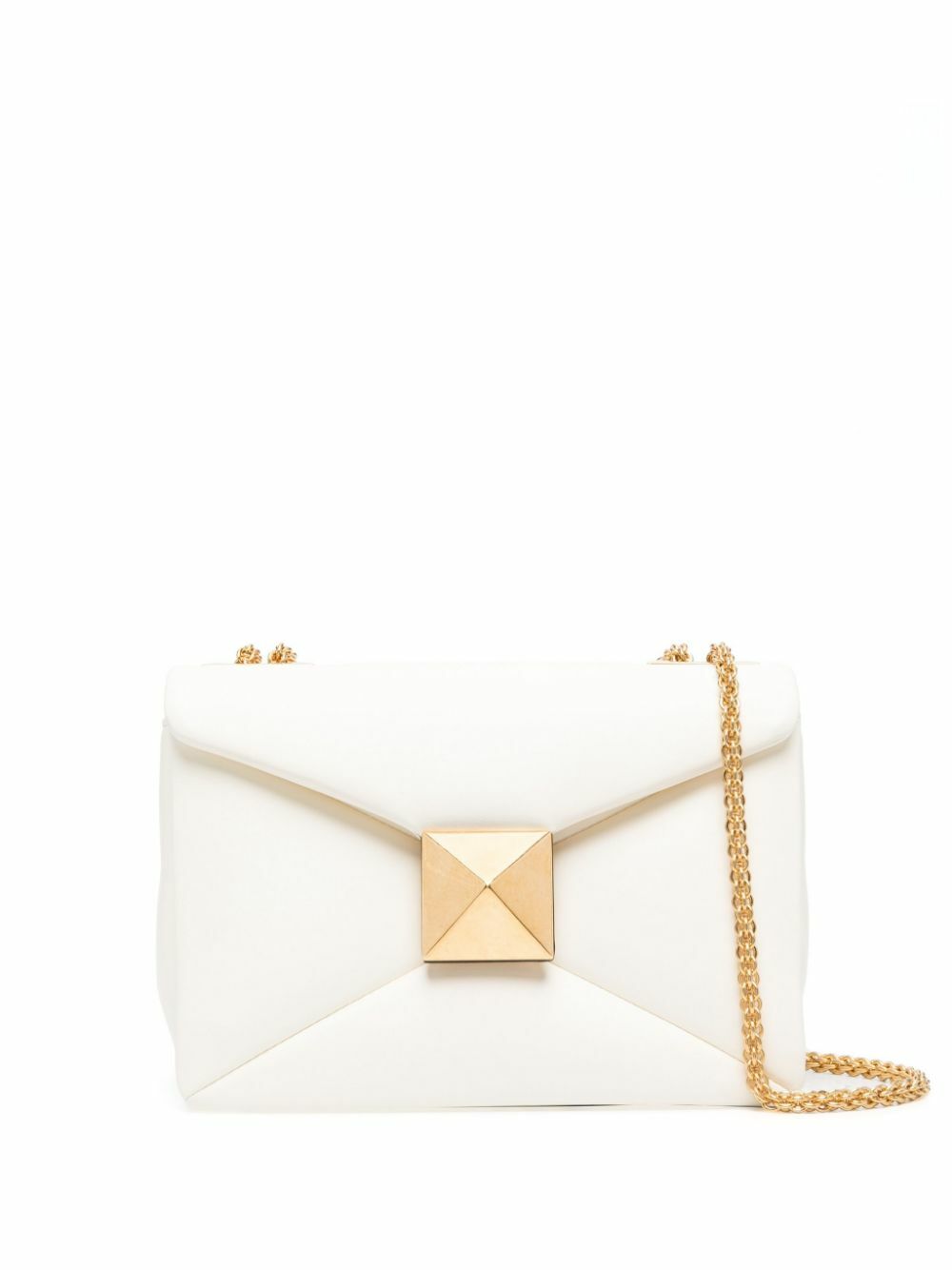
Valentino Shoulder Bags Side by Side: Locò, DeVain, Panthea and Others

Valentino Garavani stacks its deepest choice on the shoulder shelf. Examine what is really available to order in 2026 and the shoulder shelf proves to be the widest the house maintains, stretching from just under two thousand dollars to almost eight. That span covers four or five genuinely different design ideas rather than one idea in four sizes, which is why a head-to-head comparison serves better than a guided tour of the category. The comparison below sets the main families against each other on the terms that matter when choosing: what defines the shape, what it costs at observed 2026 market prices, and who it suits. Not one of these figures are drawn from an official price list; they were observed in the market during 2026 research and they shift. Read them as position markers rather than as quotes.

How this comparison is built

One rule explains most of the pricing in this category, and it is worth naming before any individual model. Material and embellishment, not size, set the number in the way Valentino prices shoulder bags. One family shows it on its own: a DeVain small shoulder bag in jacquard lurex was observed at $2,100 while a DeVain small shoulder bag in metallic mesh was observed at $3,900. Identical family, identical size description, eighteen hundred dollars valentino crossbody bag apart. VSling reinforces it, with a mini set with pearls and rhinestones at $6,550 costing nearly double a small in grainy calfskin at $3,350. So, below, match entry prices against entry prices, and read every top figure as a statement about surface decoration rather than about capacity.

Rockstud: the least expensive way onto the shoulder

At an observed $1,950 in suede and $2,100 in grainy calfskin, the Rockstud small shoulder bag begins the category and is the only family here that starts below two thousand dollars. Recognisability is its case. Those pyramid studs came in Fall 2010 under then co-creative directors Maria Grazia Chiuri and Pierpaolo Piccioli, appearing first on footwear, and drew on the rusticated stonework of Roman architecture. Rockstud is also the deepest current line at roughly fifty-two live pieces, so the shoulder bag sits inside a full family of wallets, crossbodies and totes. Next to the newer families it is the least fashion-forward option and the most durable choice. If the goal is a valentino shoulder bag that still reads correctly in five years, this is the conservative pick.

DeVain: the surface experiment

DeVain is where this house’s approach to surface can be read most easily. Prices observed in 2026 span $2,100 for a small shoulder bag in jacquard lurex up to $3,900 for a small shoulder bag in metallic mesh, a gap that is wholly a question of material. That makes DeVain the most unpredictable family in the comparison, because two pieces sharing a name can land in quite different corners of your budget. It also rewards patient shopping, since the cheaper materials hand you the shape at close to Rockstud money. This is where buyers who want something less instantly recognisable than studs generally finish up. The trade-off is that textile and mesh surfaces are less forgiving than calfskin and harder to refresh once scuffed.

Rockstud Spike: the crowded centre

The centre of the shoulder shelf is held by Rockstud Spike, which covers the widest run of the mid band. Observed prices open around $2,550 for a small in suede, pass through $2,750 to $3,200 for medium suede, $2,800 for a small nappa and $2,950 for a medium in kidskin, then top out at $3,500 for a medium nappa and $3,700 for a medium in embroidered nappa. That is six material and size combinations under a single name, so the ladder works as a materials menu at largely fixed silhouettes. Its position against Rockstud proper is straightforward: several hundred dollars more for a more decorative treatment. The comparison with Locò is just as simple, because Locò starts where Spike is already well into its range. For a single bag sitting squarely in the commercial core of the house, this family offers the most routes there.

Locò: the longest ladder in the group

The accent belongs to the name, and Locò holds the longest price ladder of any current shoulder family. The observed 2026 ladder goes from $2,700 to $2,950 for a small in calfskin, through $3,100 for embroidered linen and $3,200 for laminated calfskin with a jewel logo, on to $3,350 for the jewel logo treatment, then up to $4,700 and $5,100 embroidered and $5,900 set with pearls and rhinestones. In other words, the same design can cost twice as much depending only on how it has been finished. In Locò, consequently, the entry pieces and the flagship pieces feel like entirely different purchases. The strongest resale record here is also its, with a VLogo Locò flap shoulder bag tracked at 57 percent retention against a house average near 41 percent. If you judge a valentino garavani bag on more than looks, that is the figure to remember.

Panthea: the top of the range

Price competition runs out at Panthea. The observed 2026 run opens at $3,800 for chevron nappa or suede, passes $5,650 in python and $7,600 in ostrich, and ends at $7,900 for an embroidered version, so Panthea is the most expensive bag family in the current line-up. Everything above the entry price turns on exotic skin or embroidery rather than size or hardware. Panthea therefore belongs to a different conversation from the rest of this comparison: it is not the practical answer to anything, nor is it meant to be. Exotic skins also bring obligations after purchase, because python and ostrich need professional care and cannot be treated at home the way calfskin can. Weighing Panthea against Locò is, in the end, a choice between a statement object and a bag you will use.

VSling, VLogo Signature and the archive names

Two more families belong in the field. VSling is shaped around its sculptural V-shaped metal handle and closure, with observed 2026 prices starting at $3,350 for a small in grainy calfskin, passing $3,600 to $3,850 with a jewel logo and $5,600 to $6,000 for a mini embroidered version, and reaching $6,550 for a mini set with pearls and rhinestones. VLogo Signature holds the other end and is the cheapest way into the house, with a mini bag or mini bowling bag observed at $1,750 and a mini bucket at $1,450. Then there are names that fill search results but cannot be bought new: Roman Stud, One Stud, Supervee, Escape and Stud Sign are absent from the brand’s current filters, and a small Roman Stud handle bag observed at $3,550 was flagged as a reserved product rather than an orderable one. Put the whole group in archive or resale territory. Working out which list a name belongs to prevents a great deal of wasted searching.

The families side by side

The table assembles the current shoulder families at prices observed during 2026 and names the defining element of each. Two observations come straight out of it. First, the entry prices cluster tightly, so the decision at the bottom of each family is far closer than the headline ranges suggest. Second, the ceilings diverge wildly, because embroidery, crystals and exotic skins do all the work above the mid band. The figures are observed 2026 market prices, not an official price list. Read the left one as what the design costs and the right as what the finish adds.

Family Defining element 2026 observed range (USD) Bands reached
VLogo Signature (mini) V emblem as hardware and closure $1,450-1,750 Entry to mid
Rockstud (small shoulder) Pyramid studding $1,950-2,100 The mid band
DeVain Material-driven small shoulder $2,100-3,900 Mid to top
Rockstud Spike Studs, six material options $2,550-3,700 Mid through top
Locò Flap shoulder, jewel and embroidered finishes $2,700-5,900 Mid into top
VSling V-shaped metal handle, sculptural $3,350-6,550 Mid to top
Panthea Chevron nappa, python, ostrich $3,800-7,900 Top band

Which one, and who for

Set out in a single line each, the choice comes out like this. Rockstud suits the buyer who wants the most recognisable signature at the lowest shoulder price. DeVain suits the buyer who wants something less obvious and is prepared to choose the material carefully. Rockstud Spike fits the buyer looking for the widest choice in the commercial core. Locò is for the buyer who wants the strongest resale record and a ladder that reaches decorative pieces. Panthea serves the buyer who is not price-shopping in the first place. A single warning covers every one of them: before checking whether a bag is authentic, check which company made it, because Valentino S.p.A. and the separate, unrelated Mario Valentino S.p.A. of Naples both sell bags, and only the couture house’s pieces carry VALENTINO GARAVANI on the interior tag.

Uncategorized

Palm Angels Graphic Tee Page No Hidden Fees

A Buyer’s Roadmap to Palm Angels Authorized Garments

Purchasing Palm Angels fashion is an financial decision in quality, design, and creative cachet. Whether you are a novice buyer curious about the hype or a veteran collector adding to your collection, exploring the world of Palm Angels demands a specific level of awareness to make wise acquisition decisions. This manual explores everything from understanding the house’s product lines and pricing model to verifying pieces and finding the best deals. The luxury streetwear market hit an projected $165 billion globally in 2025, and Palm Angels remains one of the most desired labels within that segment. Making an smart acquisition means appreciating what distinguishes this house apart, where to purchase, and how to guarantee you are acquiring real product every individual time. With counterfeits infiltrating web-based marketplaces and resale prices moving by the week, the knowledge in this guide could rescue you hundreds of dollars and a substantial deal of frustration.

Understanding the Palm Angels Item Catalog

Palm Angels provides a full selection of menswear, womenswear, and kidswear across various product divisions. The core menswear line covers graphic tees, hoodies, track pants, outerwear, denim, shorts, and knitwear, while accessories span bags, hats, belts, jewelry, sunglasses, and footwear. Womenswear replicates a parallel structure with added categories like dresses and skirts that incorporate the label’s signature streetwear aesthetic. Each season, the label launches close to 250 to 350 individual SKUs across these lines, meaning there is a substantial breadth of options at any given time. The product lineup is segmented into mainline pieces (accessible at authorized retailers worldwide), capsule collections (limited-edition drops related to collaborations or special themes), and members-only items (accessible only through the house’s own stores and website). Grasping which category a piece belongs into is important because it significantly determines supply, pricing, and resale potential.

The brand’s most famous and perennially in-demand items feature the signature track suit (jacket and pants sold separately, typically $450 to $650 per piece), the logo-print crewneck tee ($275 to $395), the bear print hoodie ($595 to $750), and the PA monogram accessories. These items make up the essence of the Palm Angels DNA and are refreshed seasonally with new colorways and minor design updates. Time-limited pieces lean to be more experimental in design and discover are made in reduced quantities, making them more sought-after on the resale market but more difficult to find at retail. If you are a beginner to the house, kicking things off with a essential piece is normally the most practical strategy — you get a sample of the construction and aesthetic without the anxiety of pursuing a limited drop.

Where to Acquire Legitimate Palm Angels

Primary Outlets and Authorized Merchants

The safest way to obtain Palm Angels garments is through the brand’s dedicated website at palmangels.com or one of its 12 standalone boutiques in cities including Milan, New York, Tokyo, London, Las Vegas, and Miami. Ordering directly from Palm Angels confirms realness, offers access to the full current-season lineup, and often includes exclusive items not obtainable elsewhere. The website includes international shipping to over 80 countries, with standard delivery times ranging from 3 to 10 business days depending on address. Returns are permitted within 14 days of delivery for pristine items with tags still on, which is relatively standard for luxury fashion. Beyond the primary channels, Palm Angels sustains wholesale partnerships with dozens of authorized sellers including SSENSE, Farfetch, Mr Porter, Selfridges, Saks Fifth Avenue, Neiman Marcus, and Browns. These sellers feature hand-picked selections of each season’s collection and regularly offer seasonal discounts — usually 20% to 40% off — during end-of-season promotional periods, which fall in June/July and December/January.

When browsing through authorized retailers, always confirm that the retailer is included on Palm Angels’ dedicated stockist page or is a trusted luxury fashion store. The Palm Angels official website includes a store locator that shows all authorized physical and online stockists. Buying from unofficial sellers creates substantial risk of receiving replica products, even if the price feels fair. A widespread tactic used by replica sellers is pricing items just 10% to 15% below retail to look authentic while still offering less than authorized channels — if a deal strikes you as surprisingly good but not obviously cheap, it may still be counterfeit. Going with reputable, authorized channels eliminates this risk entirely and confirms you obtain warranty protection and customer service support should any complications develop with your purchase.

Shopping the Resale Space

The secondary market is a substantial option for acquiring Palm Angels, particularly for sold-out items, past-season pieces, and limited-edition collaborations. Platforms like StockX, Grailed, Vestiaire Collective, and The RealReal are the most credible options, each offering some form of authentication service. StockX functions on a neutral marketplace model where all items go through a physical authentication center before being sent to the buyer, making it potentially the most trustworthy resale option. Grailed provides a peer-to-peer marketplace with community-based credibility systems and seller verification. Vestiaire Collective offers in-house authentication for items above a defined value threshold, while The RealReal processes consignment with trained authentication teams. Resale prices for Palm Angels differ widely depending on the piece, its upkeep, and its exclusivity. Standard items like standard logo tees commonly resell at 90% to 110% of retail, while limited collaboration pieces can fetch premiums of 150% to 300%. Before spending on the resale market, always verify the item’s standard retail price, scan multiple platforms for price comparison, and carefully review seller reputation and return rules.

Seller Authentication Process Shopper Protection Average Price vs. Retail Return Window
Palm Angels Official Direct (guaranteed) Comprehensive manufacturer warranty 100% (retail) 14 days
SSENSE / Farfetch Authorized retailer Full buyer protection 100% (sales possible) 14–30 days
StockX In-person authentication center Money-back guarantee 90% – 200% No returns (verified items)
Grailed Community + optional verification PayPal protection 80% – 180% Seller-dependent
Vestiaire Collective In-house for high-value items Customer protection program 70% – 150% Condition-dependent

Authentication and Preventing Counterfeits

Key Authentication Indicators

Knock-off Palm Angels goods have grown continually more refined, making authentication a vital tool for any buyer. Real Palm Angels pieces showcase several revealing quality signs that are nearly impossible for counterfeiters to copy accurately. First, check the tags: authentic pieces contain a main brand label with neat, meticulous stitching, a care label with detailed washing directions in multiple languages, and a separate size tag. The font used on all labels should be consistent and clear — hazy text, variable spacing, or misspellings are unmistakable red flags. Second, evaluate the fabric hand. Palm Angels uses superior materials selected from Italian mills, and the body and hand-feel of real pieces are noticeably higher-quality to counterfeits. A real Palm Angels cotton tee commonly weighs between 220 and 280 grams per square meter, while fakes often use lighter, less refined cotton that seems flimsy to the touch. Third, check the hardware. Zippers should be branded (usually YKK or custom Palm Angels pulls), drawstrings should have genuine aglet tips, and any metal hardware should feel solid rather than hollow or lightweight.

Print precision is another trustworthy authentication signal. Palm Angels graphic prints are rendered using high-resolution screen printing or digital transfer processes that yield vivid, saturated images with true color intensity. Counterfeit prints often seem slightly dull, misaligned, or present visible dot patterns when examined in detail. The house’s recognizable flame and palm tree motifs have very specific dimensions and color transitions that counterfeiters commonly get incorrect. If you are purchasing a high-value piece and have any uncertainty about authenticity, try using a expert authentication service like Legit Check or CheckCheck, which run photo-based verification for a fee of $5 to $30 per item. These services have experienced authenticators who can recognize minor differences that may be unnoticeable to casual eyes. Putting a modest amount in verification can avoid a substantially more painful economic loss on a fake purchase.

Sizing and Fit Recommendations

Palm Angels sizing fits slightly relaxed compared to typical European and American sizing, which is deliberate given the house’s streetwear aesthetic. Most shoppers report that their regular selection provides a easy-going, somewhat laid-back fit, while sizing down one creates a more streamlined silhouette. The brand uses Italian sizing conventions for some pieces and international sizing (XS through XXL) for others, so always review the specific size chart displayed on the product page before purchasing. For reference, a Palm Angels size M in tees and hoodies maps roughly to a US Medium/Large or EU 48-50, with chest measurements typically ranging from 108 to 114 centimeters. Track pants include an elastic waistband with drawstring, delivering more flexibility, but the inseam length inclines to be extended — if you prefer a shorter look, explore sizing down. Women’s pieces follow a comparable slightly-oversized approach, though the womenswear line provides more tailored options in particular categories.

When browsing online, take advantage of the detailed size tools listed on platforms like SSENSE and Farfetch, which often list garment-specific measurements rather than universal brand sizing. Read customer testimonials for fit information, devoting careful attention to customers who provide their height, weight, and the size they selected. If you are between sizes, ordering two sizes and exchanging one is a workable strategy when buying from merchants with customer-friendly return windows. Given that Palm Angels pieces involve a meaningful monetary expenditure — with typical basket values ranging from $400 to $1,200 — achieving the sizing right on the first try eliminates the headache and cost of returns while ensuring you appreciate wearing your latest piece from day one.

Scheduling Your Purchase for Top Value

Well-timed timing can save you a considerable amount when purchasing Palm Angels. The house operates on a conventional fashion calendar with two main collections per year — Spring/Summer and Fall/Winter — plus inter-season capsule drops. Latest collections usually hit at retailers between January and March (SS) and July and September (FW). End-of-season sales at authorized retailers usually start six to eight weeks after a season arrives, with starting discounts of 20% to 30% deepening to 40% to 50% as the sale period unfolds. However, popular sizes and styles fly off shelves rapidly once markdowns start, so holding out for the biggest discount means dealing with a reduced selection. The sweet spot for most buyers is the initial markdown period, where you can snag coveted pieces at a noticeable discount before sizes become sparse. Private sale events, which many luxury platforms grant to newsletter subscribers and loyalty program members, sometimes provide early access to markdowns — opting in for email lists at SSENSE, Mr Porter, and Farfetch is a zero-cost way to unlock this benefit. Finally, keep in mind that Palm Angels’ most popular core pieces are refreshed regularly, so there is rarely urgency to acquire at full price unless you have your heart set on a certain seasonal colorway or limited collaboration piece that will not be available again.

Uncategorized

Sp5der Shorts Real Website Destination Manual Enjoy UpTo 60% Off

Spider Hoodie Official Website: New Drops Live, Sizes, Stock Alert System

The official website’s new arrivals section serves as single source for accessing live Spider hoodies, precise fit info, and inventory alerts. This tutorial demonstrates how to verify what’s truly live, choose the right fit confidence, and set up a no-noise restock tracker that actually catches stock ahead of depletion.

You’ll receive a clear workflow to review latest drops, decode stock signals, and cut purchase duration. Every section opens with a quick answer you can act on immediately, then goes beyond with useful details learned via live releases.

What’s currently active now?

Navigate to the official new arrivals or shop index, sort by latest, and scan individual product pages for full-size runs, “in stock” badges, and recent drop times. If a hoodie has all sizing choices, clean imagery, and a visible size chart, it’s a live, official drop. Skip external sources; confirm add-to-cart functions across various sizes without error.

Access the fresh arrivals view and activate filters by “Newest” or “Launch time” if the system enables it. Navigate into a hoodie’s listing and try add-to-cart on no less than two sizes; fast “success” notifications without errors usually suggests active inventory. Examine the palette count: when a drop is fresh, the color range is broader, while late-cycle inventory shows one or two colors lingering. Search for uniform SKU or product numbers between sizes, a indicator of legitimate product data. If the page shows a robust size chart and fabric specifications, that’s usually the best indicator you’re viewing a current, supported SKU.

How do launches usually roll out?

Drops appear in clusters, often within a set time window, with a short buying window on main colorways and popular sizes. Stock replenishes following days or weeks afterward, sometimes quietly, typically with smaller size runs. Prepare for sudden loads that launch without email or banner alerts.

Main pieces typically land with coordinating bottoms or tees, and that capsule approach helps you anticipate what’s next. Initial releases prioritize common sizes initially, then fill out additional options or colors with inventory refresh. Some sites use a queue during high traffic; when that’s enabled, open one connection per individual to avoid limiting. Surprise releases might show up initially on product page before appearing in category grids, so bookmarking key SKUs pays benefits. If you see “sold out” switch https://atlantasp5derhoodie.com to “in stock” mid-scroll, you’re witnessing real-time stock sync and must proceed to checkout immediately.

Size and fit guide for Spider hoodies

Spider hoodies generally run in standard-to-roomy streetwear profile including ease in the body and standard sleeve length. The right move is to reference individual item’s size chart, assess a piece you already love, and match item measurements and length rather than trusting exclusively on letter designations.

Position your favorite hoodie flat, assess underarm-to-underarm for chest width with shoulder to hem for torso measurement, then compare against the provided garment measurements. If the chart shows garment dimensions (not body dimensions), choose the closest match to your flat measurements for intended fit. For a baggy look, add single size if your chest reading falls around the chart’s upper midpoint. Cotton-blend fabric might relax but seldom contracts significantly if washed cool and hang-dried; tumble heat might compress textile slightly, especially at ribbing. Because different colorways sometimes use alternative finishing methods, small deviations in hand-feel and drape are typical; use the measurements per item.

Which option should I pick if I fall between two?

Should you fall between sizes and like a tailored, true-to-frame look, pick the down size; if you prefer a looser streetwear silhouette, size up. Use sleeve length and body dimension as final determinants; prioritize the dimension that bothers you most if it’s wrong.

Start by ranking your priorities: shoulder dimension, chest room, or overall length. If your wingspan is long, pick the size that protects arm length despite if it brings slight of body space. If length overwhelms you visually, favor the smaller size and rely on ribbing stretch for comfort. Check model specs when available; should the model’s measurements are near your stats, mirror their selection and change one step if you want more or less ease. Exchange rules differ, so confirm if swaps are permitted before attempting an upsize for debut buy.

What’s the way to track restocks without monitoring the site?

Employ the store’s “notify when in stock” on your sizing options, create an login, and enable alerts or messages; then watch item listings for live flips plus reviewing during the same periods the upcoming few days. Include one background monitor to the item listing and the fresh drops section so you receive alerts as inventory toggles.

Focus monitoring on the SKU scale as store-wide banners often lag behind live inventory. Create an alert for the same time of day as the initial drop for three to five sequential days; many groups balance stock in regular intervals. Should the shop runs on standard software, changes in sizing dropdown are often the initial noticeable restock indicator. Maintain your login signed in preventing login loops that consume purchase moments. When a restock hits, skip shopping; go straight from notification to cart to payment.

Status label you’ll see What it actually means Best action to take
Ready Current availability in the selected sizing and shade Add to cart, go straight to saved payment on file
Limited availability Inventory below a threshold; can expire during payment Choose quickest payment (Shop/Apple/Google Pay) without changing cart
Out of stock No active inventory allocated to this option Hit “notify,” bookmark the page, and monitor during probable refresh windows
Arriving soon Product staged; inventory not currently live Keep session active, prefill address, and refresh at scheduled window

Purchase timing and checkout strategy

The quickest route is a registered login plus a one-tap wallet; every extra page you load increases the probability of inventory race-out. Ready delivery and billing, and prevent order modifications once items are in.

Enable a trusted express wallet then try it on a safe product so you know what screens show. Maintain just the target size inside your order to minimize mistakes; multiple variants within matching SKU can create problems during peak traffic. When a line opens, do avoid excessive reloading; hold your place and organizing payment in a secondary tab. Via phone, ensure biometric verification works; failed Face ID during payment is a typical bottleneck. When processing stops after payment authorization, re-open the cart and try the same wallet once more before switching devices.

Are you purchasing from the official site?

Check the accurate domain spelling, legitimate encryption certificate, and a consistent brand footer with rules and communication details. The official site’s product pages have uniform photography, complete size tables, and coherent product codes; counterfeit sites often recycle mismatched images and weak terms.

Enter the address directly or use verified social links from the label’s authentic profile to access the platform. Review the exchange and shipping pages; real stores offer precise timeframes and conditions, but fraudulent sites use it vague. Look for errors in policy content, broken internal connections, and odd payment processing—common tells indicating stolen layouts. Authentic stores keep a persistent basket between sections and load rules through internal routes instead than outside links. Should you question, contact support through the contact listed on the store and confirm the product link you intend to order.

Which constitute the fastest legit-check signs?

Consistent sewing around cuffs and bottom edge, centered and sharply placed designs, and consistent elastic band tightness across sizes provide fast signals. Tags must align with brand typography and spacing, and care tags should be readable and properly placed.

Examine stitching within the hood with across the side body seeking neat serger stitching without hanging fiber ends. Handle the lining face and reverse; authentic pieces provide a substantial hand with even pile, not slick or papery. Examine hue saturation across panels; authentic dye treatments keep evenness on pocket, arms, and body. Check hangtag material quality and image sharpness when present; blurry small print indicates red flag. Match the store’s product photos with your piece’s details, especially cord terminators, eyelets, and closure elements in zip versions.

Shipping, taxes, plus refund rules overview

Prepare for flexible shipping rates based on region, weight, and shipping tier, with taxes applied by destination. Return or exchange windows, when provided, are time-bound while needing products to be untouched with branding.

Determine whether the brand supports exchanges or only returns; exchanges are better if you’re dialing in measurements. International buyers should check duty with levy management, as some stores collect at checkout while others bill on arrival. Tracking codes usually activate within 24 business hours of fulfillment; major releases may extend handling durations. When your request contains a restock item and a pre-order, processing could separate; watch your email for multiple tracking links. Keep original packaging until you verify sizing to avoid avoidable refusal for refunds.

Upkeep, fabric, and longevity

Chilled laundering, inside out, plus hang drying preserves print integrity and keeps fleece from compressing. Heat accelerates wear on ribbing and can distort fit over time.

Employ a delicate cycle and gentle cleanser to protect color and hand-feel. Turn prints inward to minimize friction within the drum. Skip textile conditioner if the item features stretch fibers in ribbing; this might decrease recovery. When you require machine dry, employ gentle warmth and remove as partially wet to finish through flat positioning. Keep hoodies creased rather than hung to prevent shoulder puckering, especially in heavier fleece.

Hidden information concerning Spider drops plus fit

Numerous fashion retailers preload product entries prior to a drop; monitoring these listings beats waiting for section updates, which can store outdated info. Fit tables might vary between colors as treatments or fabric runs vary, so always access the guide per product listing rather than assuming consistency.

“Sold out” isn’t always final following a chaotic launch; canceled or failed payments often recycle inventory during the first hour. Replenishment times often coincide with distribution processing on weekdays, beyond weekend periods, so mid-week monitoring counts.

The label title is often stylized as “SP5DER” across social and tags; counterfeit listings sometimes alternate spellings within the same page, a subtle sign showing mismatched assets.

Problem-solving: why did purchase stop?

Order issues generally come from variant oversells, session timeouts, plus payment verification mismatches. Revalidate your size selection, refresh the listing once, and retry matching payment method before changing platforms.

When you inserted multiple sizes of the same hoodie, remove all save one to avoid option clashes. Clear stale discount fields or rejected promotional entries; they can quietly prevent processing. Confirm your delivery country matches the store’s region settings; some stores prevent orders per locale. When you encounter looped back to cart, log out then back in to refresh authentication. With ongoing problems, try a different browser profile with no add-ons to prevent blockers.

Pro advice: “Choose your desired size and one backup colorway before the drop, then lock your payment method. Many buyers fail to hesitation, rather than automation.”

Fast FAQ responses on sizes, launches, and restocks

Affirmative, size availability might change with colorway; choose via actual garment measurements, not simply alphabetic codes. Releases seldom replenish full size ranges; expect partials targeting center choices first. Should you be tall and between sizing choices, pick the choice providing the sleeve length you need, then tailor body width via layering choices. Alert systems function best when you stay signed in with verified email or SMS; anonymous alerts are downgraded within some platforms. Keep one device on Wi‑Fi plus one via cellular during heavy drops to hedge against area connectivity troubles.

Accessibility and inclusivity in sizing

The official pages typically publish numeric garment measurements, which help various builds find a match beyond generic letters. The most reliable sizing strategy is measurement-first, followed by arm and torso priorities.

With wider shoulder builds, shoulder seam measurement serves as your anchor; if that’s missing, chest width is the best proxy. If mobility is a need, target a chest width that offers 8 to 12 cm of space past your body size. Cropped or boxy cuts can read short on taller frames; verify rear length number versus your ideal hoodie. If the chart lacks a dimension you need, contact support via your exact measurement checklist while requesting garment specs.

Final checklist before the next drop

Build and access in to your account, save one quick payment, and bookmark the SKU pages you care regarding. Enable stock notifications on each size choice, test add-to-cart using a test item, and eliminate troublesome extensions.

Assess your present hoodie and record desired chest width with length so you can size decisively. Keep a secondary device ready using another network to bypass potential throttling. Decide in advance whether you’ll accept a backup color or option to dodge on-the-spot indecision. After the drop, revisit target listings for one hour; quick restored availability stays real, and you’ll stay prepared for it.